The cocktail has the distinction of being an original American drink.
Its origins are murky, but the most common accounts name 1 Antoine Amedee Peychaud, a young Creole from a distinguished French family, seeing that the originator of the beverage.
Peychaud, along with wealthy plantation owners, fled his home in the French-controlled portion of the island of Hispaniola during the slave uprisings of 1793.
A cocktail is an alcoholic mixed drink, which is either a combination of spirits, or one or more spirits mixed with other ingredients such as fruit juice, flavored syrup, or cream. Read about: Beer Delivery Ottawa, Beer Delivery, and much more related to the Cocktail & other drinks here.
Peychaud, trained as an apothecary, settled in New Orleans and setup shop in the French Quarter. Along with his education, he had salvaged an old secret family members recipe for the compounding of a liquid tonic called bitters.
The bitters were good for whatever ailed you. And they added zest to the cognac brandy he served friends and others who wandered into his pharmacy.
The fame of the concoction spread. Quickly the ubiquitous New Orleans coffee houses, as liquor dispensing establishments were then called, were offering their French brandy spiked with a dash of the marvelous bitters compounded by M. Peychaud.
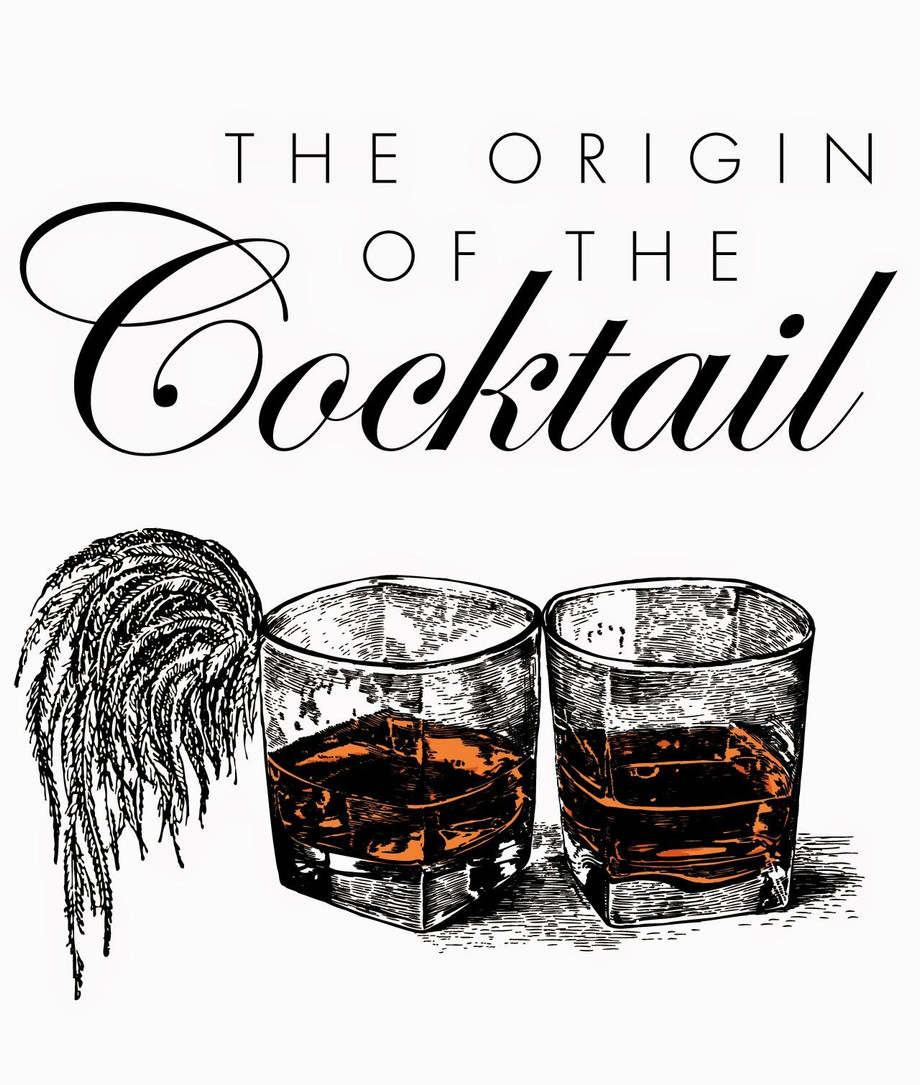
He had an unique way of serving his brandy libation. He poured portions into a double egg cup. The French-speaking people called such a device a coquetier (pronounced kah-kuh-tyay). The speculation is certainly that the pronunciation of the French term eventually corrupted into the present-day cocktail.
New Orleans based Museum of the American Cocktail displays the initial known written reference to the drink about its website, museumoftheamericancocktail.org. On the front page of May 6, 1806 issue of The Balance and Columbian Repository, a Hudson, N.Y., newspaper. In response to a reader's request, an editor defined a cocktail as "a stimulating liquor, composed of spirits of any kind, sugar, water and bitters."
The editor then goes on to say that it is "supposed to be an excellent electioneering potion inasmuch as it renders the heart stout and bold, at the same time that it fuddles the head. It is said also, to end up being of great use to a democratic candidate: because a person having swallowed a glass of it, is ready to swallow anything else."
Stanley Clisby Arthur, author of Famous New Orleans Drinks and how to blend 'em, mentions a writer who refers to the older term cocktail, meaning a horse whose tail, being docked, sticks up like the tail of a cock. He adds: 'Since drinkers of cocktails believe them to be exhilarating, an once-popular melody Horsy, keep your tail up, may perhaps hint at a possible connection between the two senses of the cocktail.
The Vintage Sazerac Cocktail
1 lump sugar
3 drops Peychaud's bitters
1 dash Angostura bitters
1 jigger rye whiskey
1 dash absinthe substitute
1 slice lemon peel
Start with two heavy-bottomed, 3 ½ ounce bar glasses. Fill one with cracked ice and allow it to chill. In the additional, place a lump of sugars with just enough drinking water to moisten it.
The saturated loaf of sugars is then crushed with a bar spoon. Add a few drops of Peychaud's bitters, a dash of Angostura, and a jigger of rye whiskey.
Add several lumps of ice to the glass containing sugar, bitters, and rye and stir. Never make use of a shaker!
Empty the ice from the first glass, dash in several drops of absinthe, twirl the cup, and shake out the absinthe ... plenty of will cling to the glass to add the needed flavor.
Strain the whiskey mixture into this cup, twist a piece of lemon peel over it for the needed zest of that small drop of oil therefore extracted from the peel, but do not commit the sacrilege of dropping the peel in to the drink.
Enjoy.
Its origins are murky, but the most common accounts name 1 Antoine Amedee Peychaud, a young Creole from a distinguished French family, seeing that the originator of the beverage.
Peychaud, along with wealthy plantation owners, fled his home in the French-controlled portion of the island of Hispaniola during the slave uprisings of 1793.
A cocktail is an alcoholic mixed drink, which is either a combination of spirits, or one or more spirits mixed with other ingredients such as fruit juice, flavored syrup, or cream. Read about: Beer Delivery Ottawa, Beer Delivery, and much more related to the Cocktail & other drinks here.
Peychaud, trained as an apothecary, settled in New Orleans and setup shop in the French Quarter. Along with his education, he had salvaged an old secret family members recipe for the compounding of a liquid tonic called bitters.
The bitters were good for whatever ailed you. And they added zest to the cognac brandy he served friends and others who wandered into his pharmacy.
The fame of the concoction spread. Quickly the ubiquitous New Orleans coffee houses, as liquor dispensing establishments were then called, were offering their French brandy spiked with a dash of the marvelous bitters compounded by M. Peychaud.
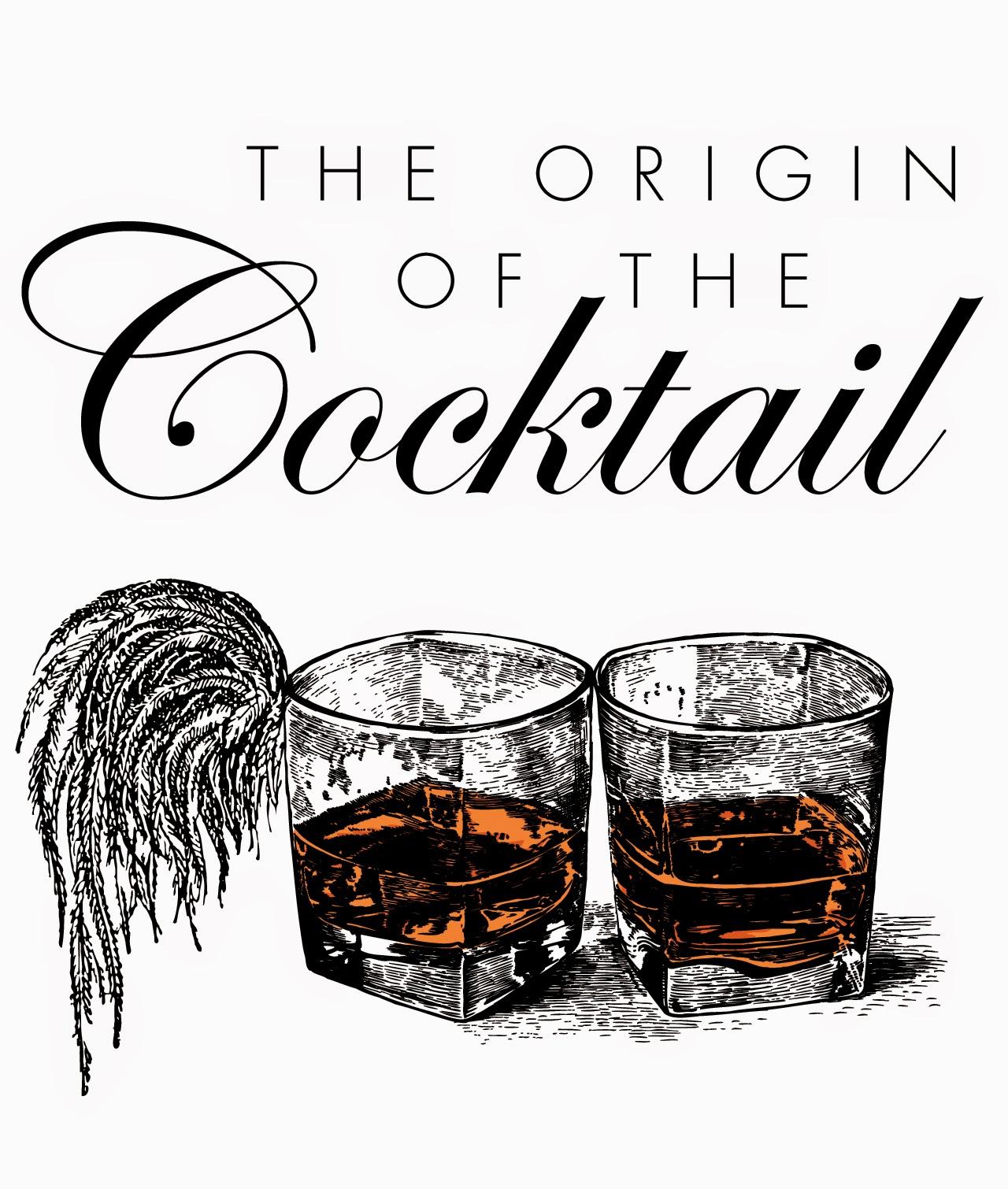
He had an unique way of serving his brandy libation. He poured portions into a double egg cup. The French-speaking people called such a device a coquetier (pronounced kah-kuh-tyay). The speculation is certainly that the pronunciation of the French term eventually corrupted into the present-day cocktail.
New Orleans based Museum of the American Cocktail displays the initial known written reference to the drink about its website, museumoftheamericancocktail.org. On the front page of May 6, 1806 issue of The Balance and Columbian Repository, a Hudson, N.Y., newspaper. In response to a reader's request, an editor defined a cocktail as "a stimulating liquor, composed of spirits of any kind, sugar, water and bitters."
The editor then goes on to say that it is "supposed to be an excellent electioneering potion inasmuch as it renders the heart stout and bold, at the same time that it fuddles the head. It is said also, to end up being of great use to a democratic candidate: because a person having swallowed a glass of it, is ready to swallow anything else."
Stanley Clisby Arthur, author of Famous New Orleans Drinks and how to blend 'em, mentions a writer who refers to the older term cocktail, meaning a horse whose tail, being docked, sticks up like the tail of a cock. He adds: 'Since drinkers of cocktails believe them to be exhilarating, an once-popular melody Horsy, keep your tail up, may perhaps hint at a possible connection between the two senses of the cocktail.
The Vintage Sazerac Cocktail
1 lump sugar
3 drops Peychaud's bitters
1 dash Angostura bitters
1 jigger rye whiskey
1 dash absinthe substitute
1 slice lemon peel
Start with two heavy-bottomed, 3 ½ ounce bar glasses. Fill one with cracked ice and allow it to chill. In the additional, place a lump of sugars with just enough drinking water to moisten it.
The saturated loaf of sugars is then crushed with a bar spoon. Add a few drops of Peychaud's bitters, a dash of Angostura, and a jigger of rye whiskey.
Add several lumps of ice to the glass containing sugar, bitters, and rye and stir. Never make use of a shaker!
Empty the ice from the first glass, dash in several drops of absinthe, twirl the cup, and shake out the absinthe ... plenty of will cling to the glass to add the needed flavor.
Strain the whiskey mixture into this cup, twist a piece of lemon peel over it for the needed zest of that small drop of oil therefore extracted from the peel, but do not commit the sacrilege of dropping the peel in to the drink.
Enjoy.

No comments:
Post a Comment